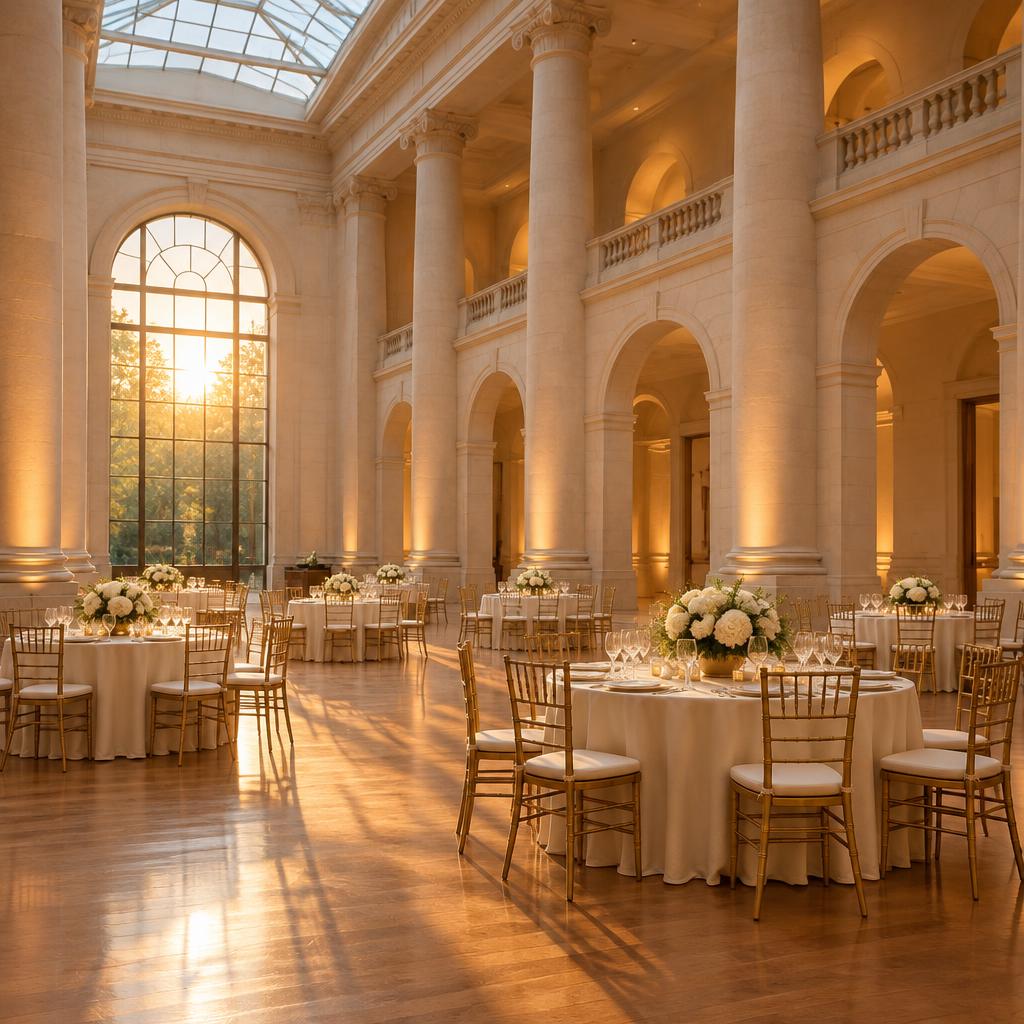
To get more museum event bookings, reply to every rental inquiry within minutes (evenings and weekends included), answer the collection and access questions planners always ask in the first reply, keep event leads separate from visitor, membership and group-tour traffic, book a site tour around your public hours, and follow up until the date is held or released. Most museum venue hire advice covers floor plans, photography, brochures and ads. Those bring inquiries in. This guide covers what happens after the inquiry arrives, which is where many museums lose events they already worked to attract.
To get more museum event bookings, reply to every rental inquiry within minutes (evenings and weekends included), answer the collection and access questions planners always ask in the first reply, keep event leads separate from visitor, membership and group-tour traffic, book a site tour around your public hours, and follow up until the date is held or released. Most museum venue hire advice covers floor plans, photography, brochures and ads. Those bring inquiries in. This guide covers what happens after the inquiry arrives, which is where many museums lose events they already worked to attract.
Why museum event inquiries slip away
Museums, galleries, botanical gardens and performing arts centers have spaces planners love, but the sales process behind them often has gaps:
Rental inquiries share an inbox with everything else. Wedding and gala requests land next to membership renewals, school group bookings, donor questions and press requests.
The special events team is busy at night. Inquiries arrive in the evenings and on weekends, which is exactly when your team is staffing receptions and after-hours events.
Every planner asks about the collection. Can guests walk the galleries? Is red wine allowed? Are candles permitted? These questions stall a conversation when nobody answers them quickly.
Tours compete with public hours. A site visit has to fit around visitors, exhibitions and installs, so scheduling takes several emails.
Follow-up depends on memory. Proposals go out to gala chairs and corporate planners, and nobody checks back before they choose another venue.
The top-ranking guides suggest replying "within 24 hours" or calling within the hour. For a planner who messaged five unique venues on a Tuesday night, the first useful answer often decides which site tour gets booked first.
Step 1: Reply to every rental inquiry within minutes, 24/7
A strong first reply to a museum event inquiry:
Uses the planner's or couple's name, the event type, the guest count and the date they asked about.
Says whether that date looks open, or names the closest open evenings.
Names the space that fits, such as the atrium, a gallery, the auditorium, the garden or the terrace.
Explains in a line or two how rental pricing works for that day and space.
Offers one clear next step, such as two or three site tour times.
An inquiry that arrives at 9 PM, while your team is running a reception downstairs, should still get that reply. See how instant event inquiry response works.
Step 2: Answer the collection questions before they are asked
Planners choosing a museum are excited about the setting and nervous about the rules. Put the answers to the most common questions in your approved rental policies so every reply can use them:
Food and drink zones. Where food and beverages are allowed, and any limits such as no red wine or white food only near the collection.
Gallery access. Whether guests can walk exhibitions during the event, and whether a docent-led walkthrough can be added.
Capacity by space. Seated, standing and theater numbers for each room, terrace and garden.
Event hours. When private events can start, how late they can run and how setup works around public hours.
Open flame, confetti and decor. What can be used, what can be hung and what must stay a set distance from artwork.
Vendors and insurance. Whether you have an approved vendor list, when vendors can load in and what insurance certificates are required.
How to hold a date. Deposit amount, when it is due and how long a date stays held without one.
When a request needs judgment, such as a policy exception near a specific exhibit, route it to your special events team. Your salesperson confirms final pricing on the tour or in the proposal.
Step 3: Separate event leads from visitor traffic
A gala inquiry should never wait behind a question about parking for a school field trip. Set simple routing rules:
Weddings. Go to the person who owns wedding sales, with date, guest count and budget captured.
Galas and fundraisers. Nonprofit and gala chairs go to the salesperson who handles evening buyouts.
Corporate receptions and meetings. Client dinners, product launches, board meetings and association events go to the corporate events lead.
Visitor, membership and education questions. Stay with guest services, membership or the education team.
For several spaces or campuses, see how multi-space inquiry routing keeps each lead with the right person and the full conversation attached.
See it live
Want to see how VenueX can do this for your venue?
Book a demo and watch VenueX reply to inquiries in about 10 seconds, follow up, and book tours on your calendar, trained on your voice.
Step 6: Measure rentals by booked events, not inquiry volume
Search ads, wedding directories, planner referrals and your own website all send inquiries, but they do not all book. Track each lead's source, how fast it got a reply, whether a site tour was booked and whether the date was held. That shows which channels deserve next year's budget. If corporate demand is growing, our guide on how to get more corporate event bookings covers that buyer in more depth.
What VenueX does for museum and cultural venue sales teams
VenueX is an AI sales agent, not a CRM. It works alongside Tripleseat, Event Temple, HoneyBook and other event CRMs, which stay your system of record. For museums and cultural venues it:
Replies to new rental inquiries in about 10 seconds, 24/7, by email, SMS and web chat, in your institution's voice.
Answers questions about spaces, capacity, food and drink zones, gallery access and vendor rules from your approved knowledgebase.
Asks qualifying questions such as date, guest count, event type and budget.
Books site tours on your Google Calendar or Outlook calendar, using only the times you choose.
Follows up with quiet leads by email and text until they book or say no.
Hands each conversation to your special events team with a summary, so your salesperson picks up where the agent left off.
VenueX does not answer phone calls. It handles inquiries by email, SMS and web chat. Customers report about 30% more appointments and about 20 hours a week saved on inbox work. The Estate at Florentine Gardens, an event venue, saw 40% more tours and 25% more booked revenue. Results vary by venue. See the full list of features, how getting started works, and how VenueX works for museums and cultural venues. Pricing is shared on a demo; book a demo for details (see pricing).
Want every rental inquiry answered in about 10 seconds, with site tours booked around your public hours? [Book a demo](/book-a-demo) and see VenueX trained on your spaces and policies.
Reply to every rental inquiry within minutes, answer collection and access questions in the first reply, route event leads away from visitor traffic, book site tours around public hours and follow up until the date is held.
What questions do planners ask before renting a museum for an event?
Most ask about capacity by space, food and drink zones near the collection, gallery access during the event, event hours, open flame and decor rules, vendor and insurance requirements and how to hold a date.
How fast should a museum reply to an event inquiry?
As fast as possible, including evenings and weekends. Planners often contact several unique venues at once, and the first useful reply with a tour time usually gets the first site visit. VenueX replies in about 10 seconds, 24/7.
Can an AI sales agent explain collection-protection rules accurately?
Yes, when it answers from your approved rental policies. VenueX uses the food and drink zones, decor limits, load-in windows and insurance requirements you add to its knowledgebase, and escalates exceptions to your team.
Does VenueX replace our event CRM?
No. VenueX is not a CRM. It works alongside Tripleseat, Event Temple, HoneyBook and other event CRMs as the AI sales agent for first response, follow-up and tour booking, while your CRM stays your system of record.
Get started
Want to see how VenueX can do this for your venue?
Book a demo and watch VenueX reply to inquiries in about 10 seconds, follow up, and book tours on your calendar, trained on your voice.